Bolsenatravel.com is your guide in Rome – Part II
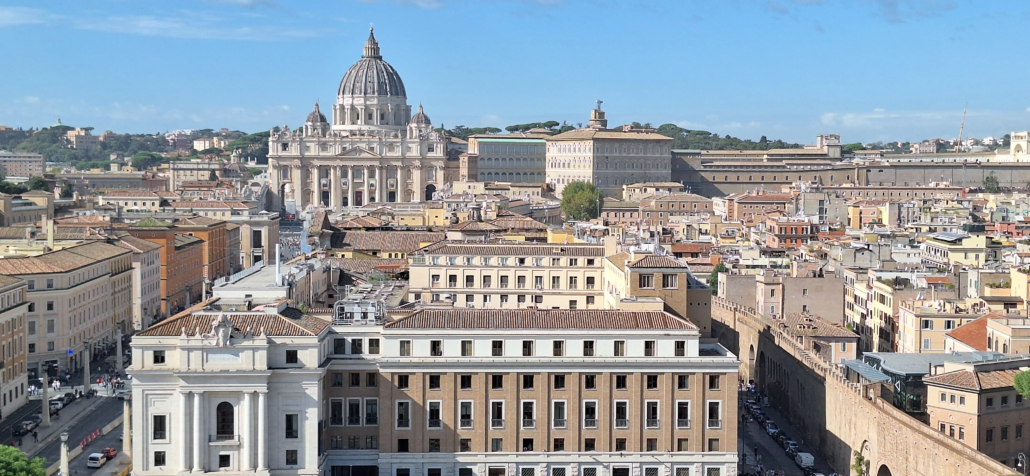
Bolsenatravel.com is your guide in Rome and invites you to discover the Eternal City, only 2 hours away from Bolsena Lake.
Bolsenatravel.com recommends you to start your journey with a long walk in the old town along Via del Corso. On Via del Corso you will discover the fascinating beauty and the unique historical heritage of Rome.
Bolsenatravel.com is your guide in Rome – Part II
Bolsenatravel.com is your guide in Rome – Part II and will reveal to you the treasures in the beautiful Piazza Venezia. In Piazza Venezia you can visit several amazing Palaces and Museums.
We recommend you to visit Palazzo Primoli on the right corner of Via del Corso, in Piazza Venezia, that hosts the Napoleonic Museum.
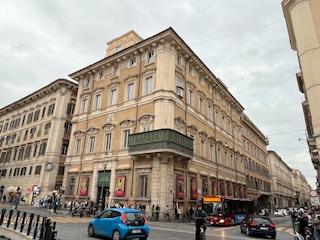
In the Napoleonic Museum you have the opportunity to discover rare artworks and pieces of furniture and you can admire the portraits of Napoleon and his family.
The first halls display an extraordinary collection of decorative art objects: jewelry, porcelain, bronzes, portraits in wax, famous at international level.
The Museum’s collections represent three distinct periods:
– the Napoleonic period showcased by large canvases and busts by the major artists of the time that depict members of the Imperial family
– the “Roman” period, extending from the fall of Napoleon to the rise of Napoleon III
– the Second Empire period displaying paintings, sculptures, furniture and objects that refer to the French era dominated by Napoleon III.
The Museum’s current layout results from recent renovation work done in the halls that reflects the instructions left by Giuseppe Primoli. Some of the halls retain the eighteenth century ceilings with painted beams.
The embellishments on the walls in Halls VIII and IX date back to the first decade of the nineteenth century. The embellishments in Halls III and V, like the Primoli’s emblem of the “rampant lion” and the Bonaparte’s “eagle” date from Pietro Primoli’s marriage to Carlotta Buonaparte in 1848.
Bolsenatravel.com is your guide in Rome – Part II
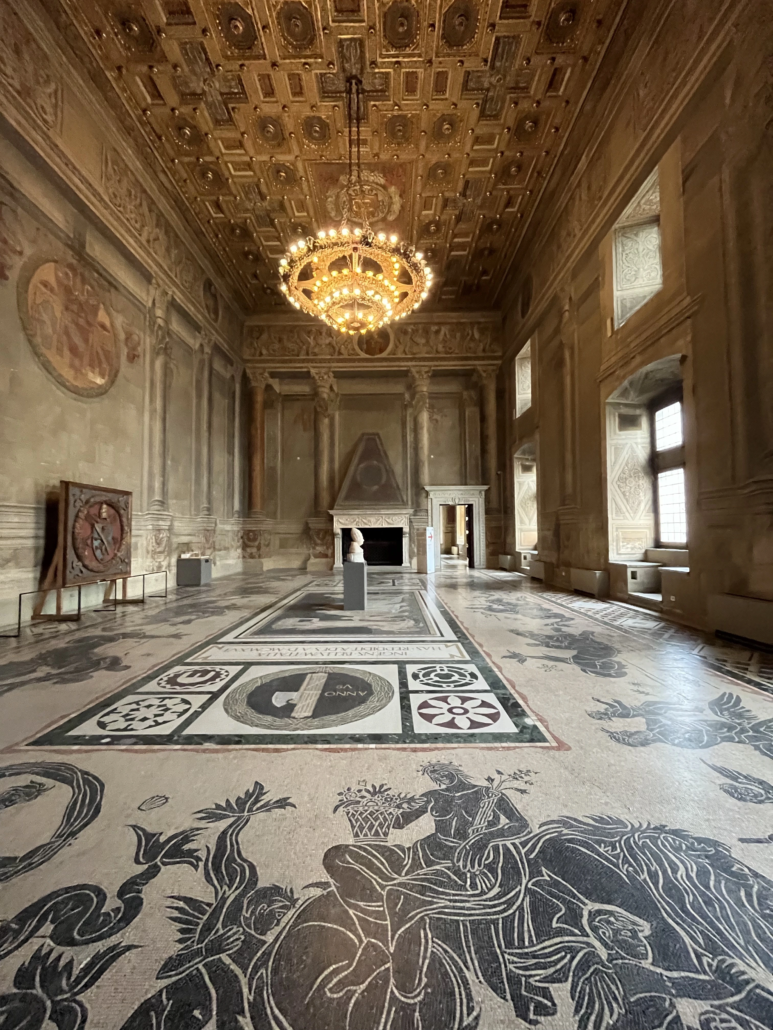
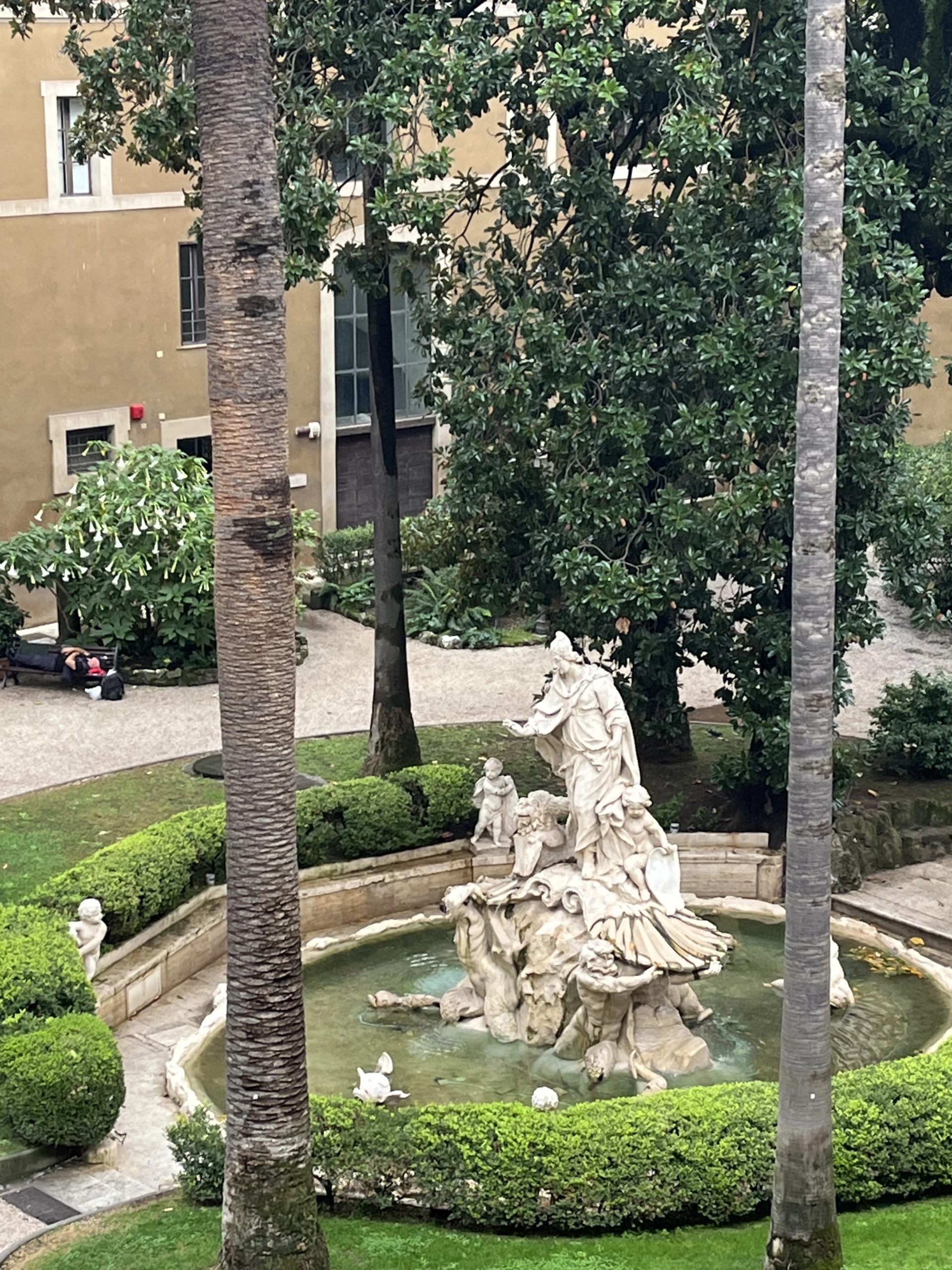
Across Palazzo Primoli you will discover the beautiful Palazzo Venezia, ex Palazzo San Marco. Cardinal Pietro Barbo built Palazzo Venezia in the fifteenth century.
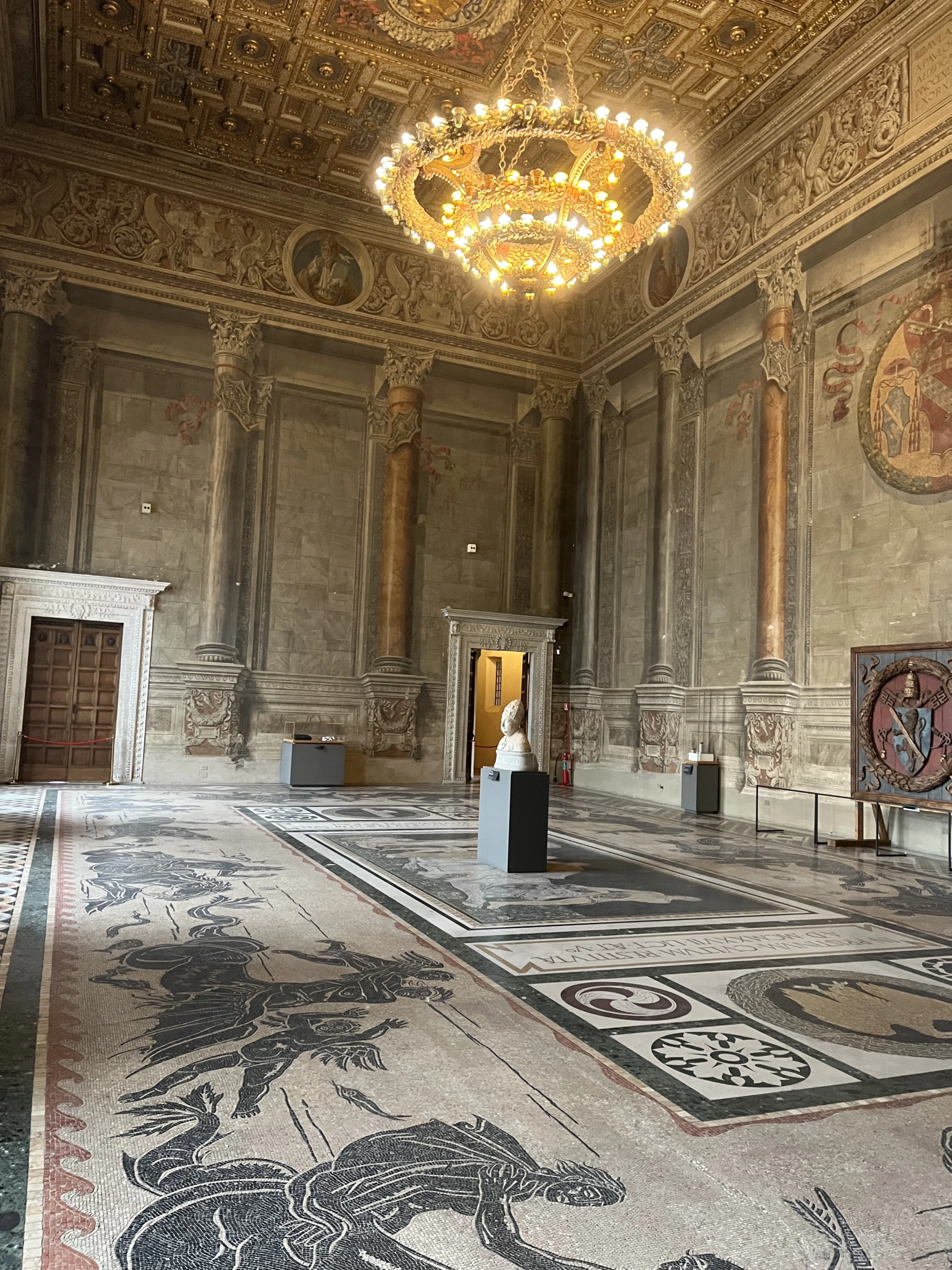
Palazzo Venezia is masterpiece of Renaissance architecture. It was an ancient and majestic home for popes, cardinals and ambassadors across the centuries.
In the Palace you can visit and admire the beautiful gardens, the Barbo Apartment, the Sala del Mappamondo, the Sala delle Bataglie and the Sala Regia.
Pope Paul III Farnese (1534-1549) was one of the famous inhabitants of the Palace.
Emperor Charles V of Habsburg was the main ally of Paul III Farnese in the fight against Martin Luther and the Protestants. The emperor planned to make a ceremonial journey to the main capitals of the Peninsula in 1535 after the conquest of Tunis.
The journey started from the south and headed north, arriving in Rome in 1536. The purpose of the visit was to transmit the triumph of Christianity, the Papacy and the Empire, united in the struggle against the infidels.
The preparations to welcome the Emperor included Palazzo Venezzia, ex Palazzo San Marco, where the pope received Charles V with all honors.
At the corner of the building, along Via del Plebiscito, architect Antonio da Sangallo the Younger (1484-1546) created an ephemeral triumphal arch. The visit was a success: the Pope and the Emperor decided to convene the Council of Trent.
On 10 June 1564, Pope Pius IV (1559-1565) donated the palace to the Serenissima. The formal handover dates to early July. From that moment the Palazzo of San Marco changed its name to Palazzo Venezia.
On 17 October 1797 general Napoleon Bonaparte and count Johann Ludwig Josef von Cobenzl signed a peace treaty. Bonaparte represented the Army of Italy of revolutionary France, Cobenzl the Habsburg Empire. The treaty, signed in the town of Campoformido in Friuli included the end of the Republic of Venice and the transfer to Austria of all its possessions.
From January 1st, 1798, Palazzo Venezia became the seat of Austrian diplomacy at the Papal State.
Bolsenatravel.com is your guide in Rome – Part II
On the opposite side of Palazzo Primoli you will notice the monumental Vittoriano dedicated to King Vittorio Emanuele II. King Vittorio Emanuelle II unified Italy.
In 1878 the Italian Parliament decided to dedicate a monument to King Vittorio Emanuele II and to the Risorgimento period.
The monument was inaugurated in 1911 on the 50th anniversary of the Unification of Italy.
At the inauguration was unveiled the majestic equestrian statue in gilded bronze dedicated to Vittorio Emanuele II. The statue was realized with 50 tons of bronze obtained by melting the army guns. It is 10 meters long and 12 meters high.
The central theme of the monument is represented by the two inscriptions on the propylaea: “To the unity of the homeland” and “To the freedom of citizens”.
Bolsenatravel.com recommends you Nono Melo Restaurant
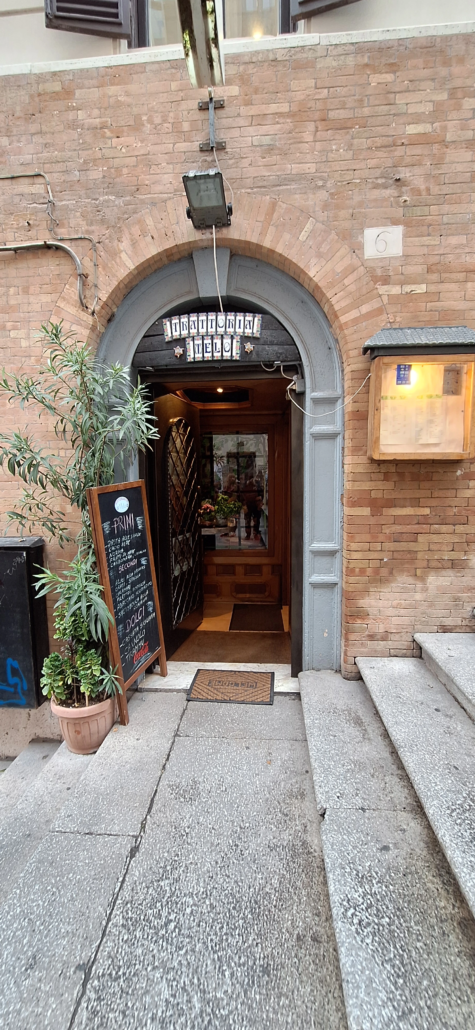
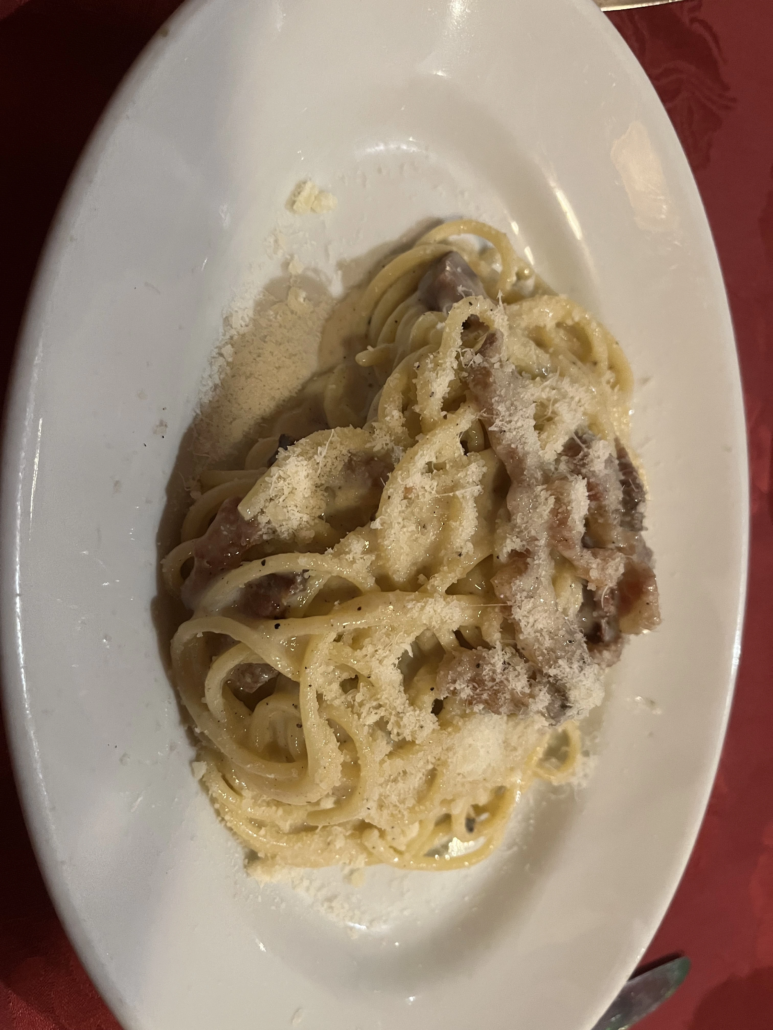
We recommend you to enjoy a delicious lunch or dinner at Nono Melo restaurant, on the left side of Piazza Venezia, right around the corner, up on the stairs. The pasta dishes and lasagna are the best you will ever eat. Nono Melo, his wife and daughter will make you feel welcome and will take very good care of you.
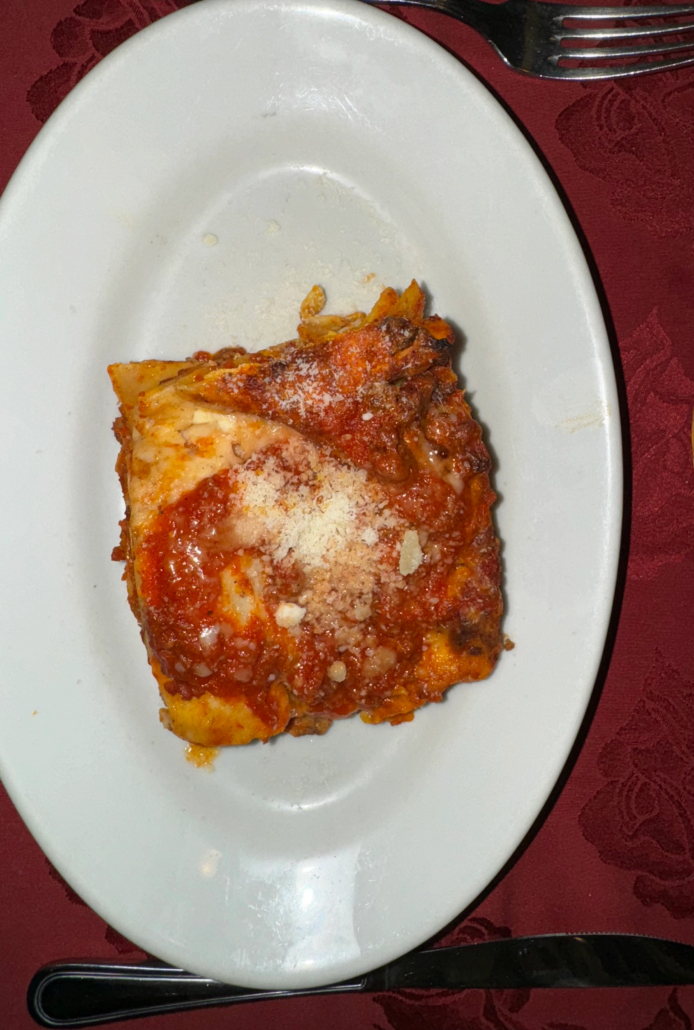
Enjoy the delicious Spaghetti alla Carbonara and the best Lasagna at Nono Melo. Buon Appetito!
Bolsenatravel.com is your guide in Rome – Part II
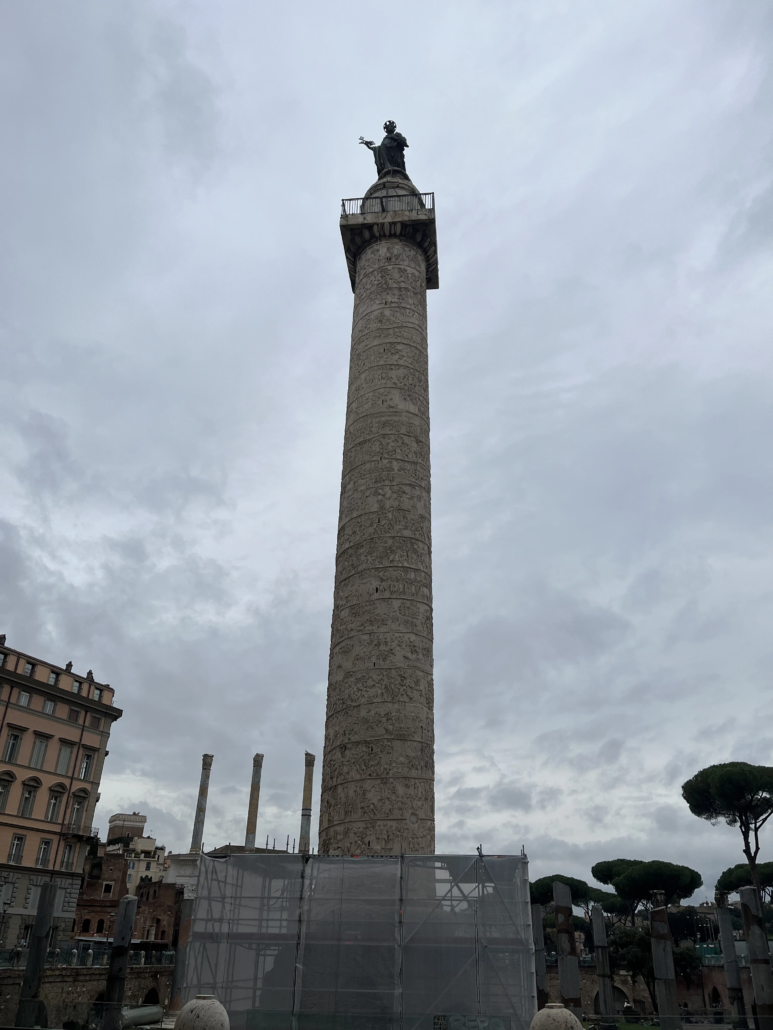
From Piazza Venezia take the left hand side and you will arrive to Trajan’s Column and Trajan’s Forum. As Trajan defeated Dacia, he built the Column and the Forum to honor his victory.
Trajan’s Column, erected in 113 A.D. celebrates the victory of Emperor Trajan in Dacia. Trajan’s Column was the first triumphal column ever, with decorations that spiral along the shaft.
Apollodorus of Damascus probably designed the column on the order of Emperor Trajan. The monument has almost 40 meters in height, including the base. It is the only monument which is intact, among those of the Forum of Trajan.
The Trajan’s Column consists of 17 cylindrical-shaped monolithic elements with a diameter of about 4 meters. These wrap around the pillar 23 times and are decorated with astonishing reliefs on almost 200 meters of white marble that could be unrolled like a film. The film tells us of the victorious military campaigns conducted by Trajan against the Dacians. Inside the column, a spiral staircase of 185 steps leads to the top.
The Column depicts 2500 characters and Emperor Trajan is portrayed 59 times.
The golden urn with the ashes of the Emperor, who died on 8 August 117, is in the base of the column.. On the top of the column was a statue of the Emperor in gilded bronze. In 1587 Pope Sixtus V (1585-1590) replaced the statue with a new statue of St. Peter.
Bolsenatravel.com is your guide in Rome – Part II
In front of Trajan’s Column you can admire the beautiful ruins of Trajan’s Forum. Emperor Trajan ordered the building of the Forum with the spoils of war (gold and silver) from the conquest of Dacia in 106. Appolodorus of Damascus supervised the building of Trajan’s Forum. The construction of the Forum began between 105 and 107. The Forum was inaugurated in 112.
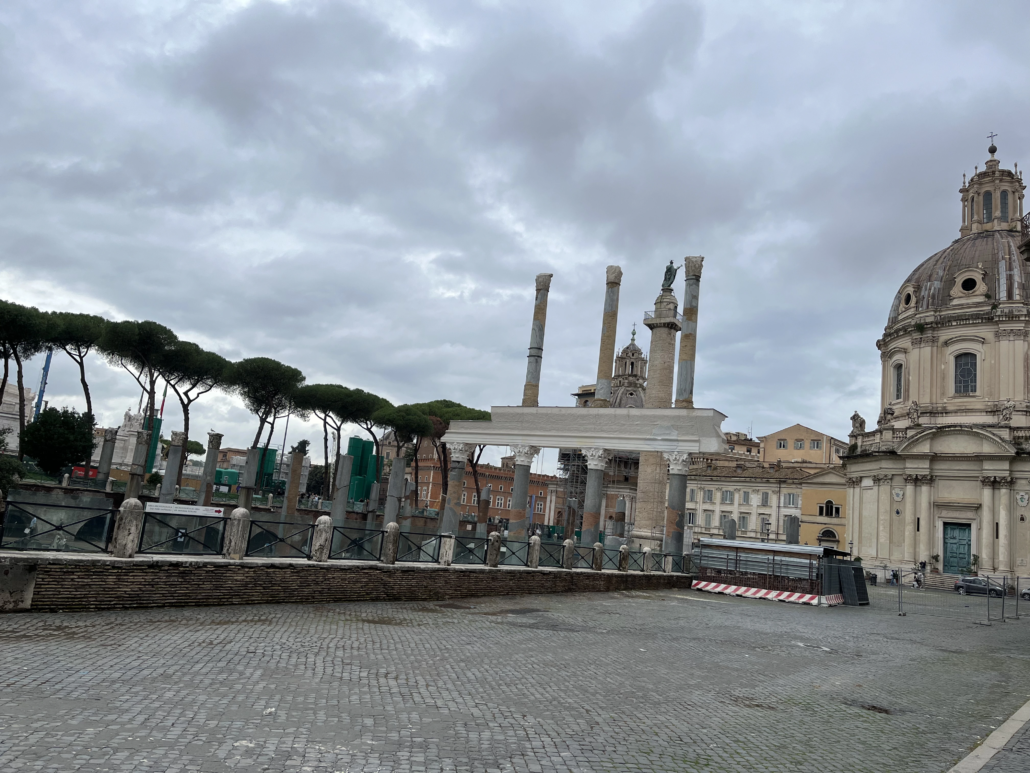
Enjoy a beautiful day in Piazza Venezia and Trajan’s Forum!


Leave a Reply
Want to join the discussion?Feel free to contribute!