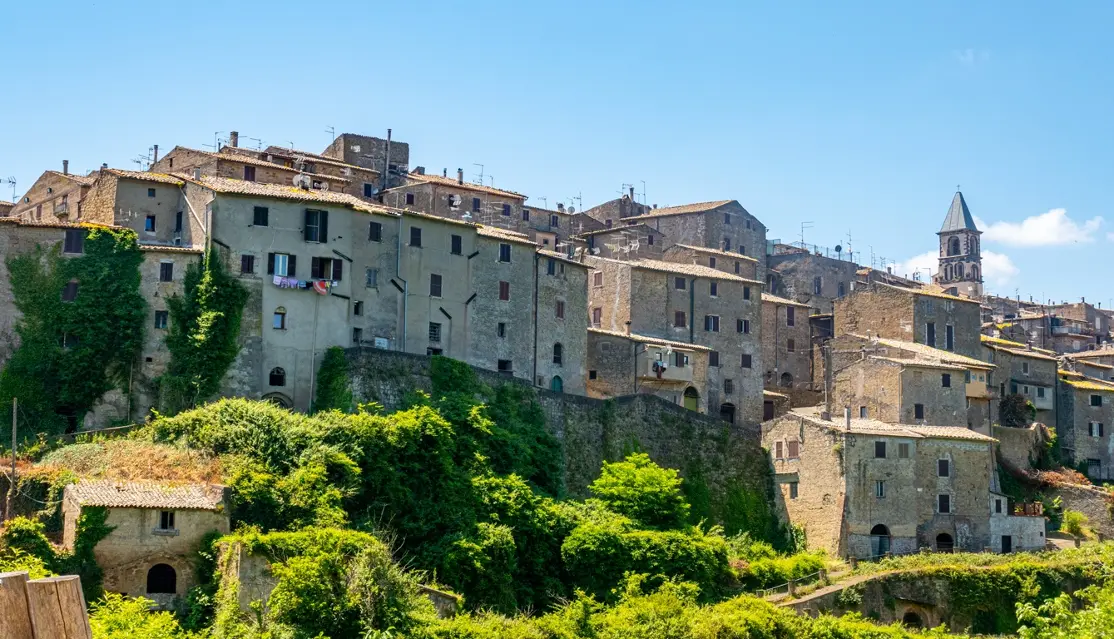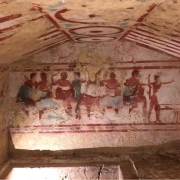
Grotte di Castro has a vast Etruscan necropolis dating back to the 6th century B.C.
Grotte di Castro has its origins back in Etruscan times. You can visit the Etruscan necropolis dating back to the 6th century B.C. in Pianezze. The necropolis is characterized by tombs with rooms hollowed out in the tufa.
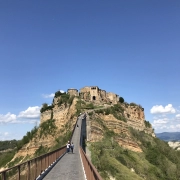
The Pianezze necropolis is part of a vaster Etruscan settlement that was on the hill called Civita.
Grotte di Castro has a medieval structure
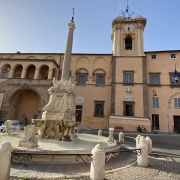
The historical center of the town has a Medieval structure with narrow streets and houses standing one against the other. The survivors of the Etruscan – Roman town of Civita populated the Grotte di Castro after the plunder of the Longobards.
The survivors from Civita found shelter in the caves carved in the tufa stone. From the caves comes the historical name of the town: Castrum Criptarum or Castello delle Grotte (Castle of the Caves). In 1537 Grotte di Castro became the property of Farnese family together with the town of Castro in the Dukedom of Castro. In 1649 Pope Innocentius X destroyed the Dukedom of Castro and Grotte became the property of the Church who kept it till the unification of Italy.
The historical center of the town hosts the Townhall Palace designed by Vignola, that dates back to the 16th century. The Town Council and Government offices are in this Palace. In the Town Council’s Assembly room you can admire the wonderful fireplace with peperino stones.
Basilica of St. John the Baptist and the Religious Art Museum
The architect Girolamo Rainaldi constructed the Basilica of St. John the Baptist in baroque style and is one of the most beautiful churches of northern Lazio. Inside the church there are many frescoes and works of art including the sumptuous baroque “Glory” situated behind the main altar. The Religious Art Museum founded in 1965 is located in the tunnels under the church. The museum holds clothes, sacred objects and prehistoric and archaic Etruscan archaeological objects.
Archaeological and Popular Tradition Museum
The museum is located in a historical building from around year 1.400. The museum opened in 1993 and documents archaeological discoveries from the Etruscan site of “Vigna la piazza” and “Pianezze”. In 2.000 new discoveries from the necropolises of “Centocamere” and “Valle Muie”increased the collection. The museum has an Etruscan and Middle Age part that documents the historical period of the town.